
Key takeaways
- A good quote should start with heat loss, emitter sizing and hot water demand, not only the outdoor unit.
- MCS certification matters, but the design detail still needs checking.
- Ask how the system will be commissioned, handed over and supported after installation.
Start with the design, not the box outside
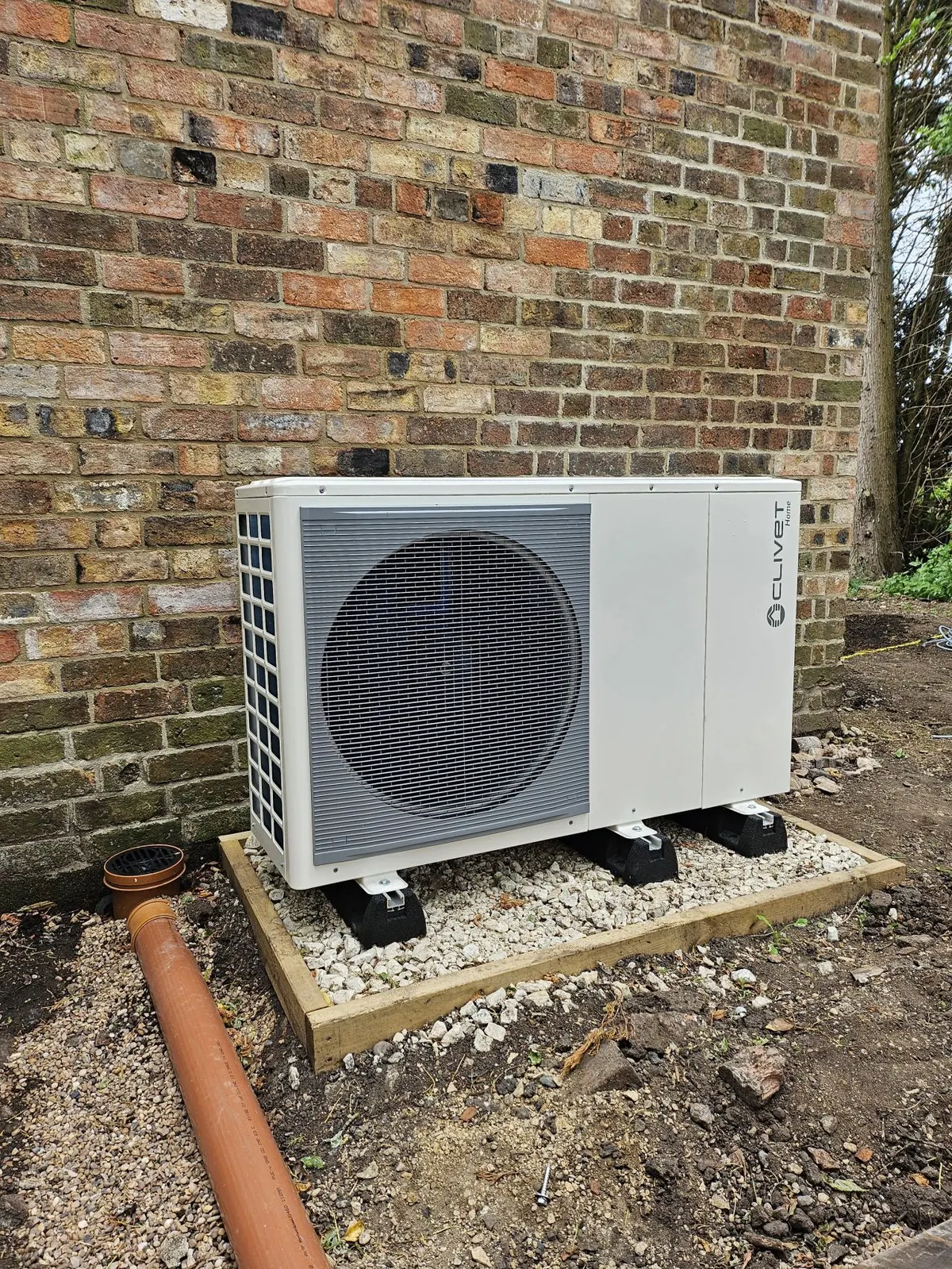
A heat pump installer in Lincolnshire should be able to explain the heating design before talking about a preferred outdoor unit. The unit matters, but comfort and running cost depend on the whole water-based system: heat loss, radiators or underfloor heating, pipework, cylinder size, controls, flow rates and commissioning.
This article is for homeowners, self-builders and developers who want a sensible way to compare quotes. The aim is not to catch installers out. It is to help you find a team that can design a renewable heating system around the property, then support it once it is running.
- Ask what heat loss method will be used.
- Ask whether each room has been considered.
- Ask what flow temperature the design is based on.
- Ask how hot water demand has been allowed for.
Question 1: Are you MCS certified for heat pumps?
For many UK heat pump projects, MCS certification is a key trust marker. It shows that the installer works within a recognised scheme for renewable installations. MCS also runs a public installer search, which gives homeowners a way to check certification rather than relying only on a logo shown in a quote.
Certification is not the end of the conversation. It does not replace a good survey, a clear heat loss calculation, a sensible emitter design or careful commissioning. Treat it as a baseline, then keep asking about the system itself.
If a grant or incentive is part of your decision, check the current scheme rules before you commit. Eligibility and values can change.
Question 2: What flow temperature is the quote designed around?
Heat pumps tend to work best when they can run at lower water temperatures for longer periods. That is why the design temperature matters. A quote that simply says a unit size and a cylinder size gives you very little insight into how the home will feel on a cold day.
Ask for the design flow temperature and the reason behind it. If the answer is vague, ask whether radiators need resizing, whether underfloor heating is suitable, and whether pipework or controls limit the design.
| Design point | Why it matters | What to ask |
|---|---|---|
| Room heat loss | Shows how much heat each room needs | Has each room been calculated? |
| Emitter output | Confirms radiators or UFH can deliver enough heat | What flow temperature is this based on? |
| Pipework capacity | Affects flow rate and system performance | Will existing pipework be kept or changed? |
| Hot water demand | Prevents undersized cylinders or poor recovery | How many bathrooms and users are allowed for? |
Question 3: Is the system open, buffered or heavily separated?
AquaTherma often talks about open-system design because unnecessary separation can add pumps, controls and temperature losses. Some systems need hydraulic separation, but it should be a design decision rather than a default habit.
Ask your installer to explain the hydraulic layout in plain English. You do not need to read every schematic detail, but you should understand whether the heat pump can move water through the emitters efficiently and how the controls avoid short cycling.
Question 4: How will the system be commissioned?
Commissioning is where a design becomes a working heating system. Flow rates, pump settings, weather compensation, hot water schedules, controls, protection devices and user settings all need attention. A well-installed heat pump can still disappoint if it is left on generic settings.
Ask what will be measured, recorded and explained at handover. A good installer should talk about comfort settings, user controls, maintenance access and what to do if the system reports an error.
- Weather compensation checked and explained.
- Flow rates and pressures verified.
- Cylinder and legionella settings set correctly.
- Filters, strainers and protection devices accessible.
- Client handover completed in plain English.
Question 5: What happens after the installation?
A renewable heating system should not be treated as a one-day handover and goodbye. The first winter can reveal small comfort tweaks, control changes or balancing improvements. Ask whether servicing, optimisation and support are available.
Local support matters. AquaTherma is based around Sleaford and works across Lincolnshire, Nottinghamshire, Cambridgeshire, Norfolk, Leicestershire and nearby areas, which makes site support more practical than a remote, one-off installation team.
Question 6: Can you explain the quote without jargon?
Technical ability matters, but so does clear communication. If you are investing in a heat pump, you should be able to understand the main choices: unit size, cylinder location, emitter upgrades, controls, pipe routes, outdoor unit position and running approach.
A good installer should make the system easier to understand, not hide weak design behind acronyms. Ask for the choices, trade-offs and limitations in writing.
Question 7: Which examples are closest to my project?
A bungalow renovation, a stone house, a three-storey new build and a developer plot all place different demands on a heat pump design. Ask for relevant case studies rather than generic product brochures.
The best comparison is a project with similar construction, emitters, hot water use and client goals. That gives you a more realistic view of what the design needs to solve.
Frequently asked questions
Do I need an MCS certified installer for a heat pump?
MCS certification is an important trust marker and is often linked to UK grant eligibility, but it should sit alongside strong design, clear commissioning and proper handover. Check the current rules before relying on any grant.
Can a heat pump work in an older Lincolnshire property?
Yes, many older properties can use heat pumps, but they need careful heat loss calculations, emitter checks and honest design decisions. Solid walls, one-pipe systems and mixed extensions can all change the approach.
Should I get more than one heat pump quote?
It is sensible to compare quotes, but compare the design detail as well as the price. Look at heat loss, flow temperature, emitter changes, cylinder choice, commissioning and aftercare.