
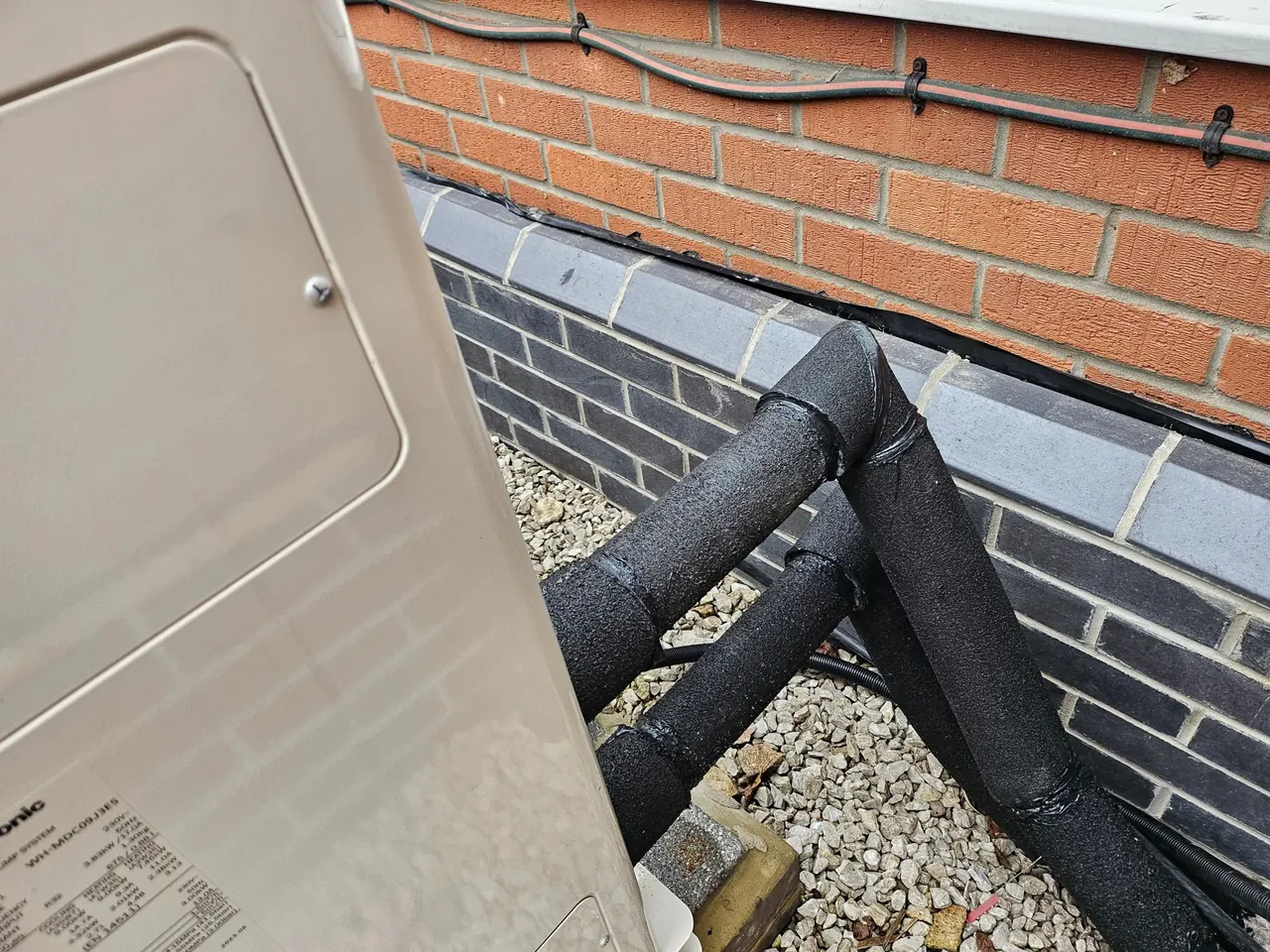
No outdoor fan unit
Quiet operation with the main heat pump plant located indoors.
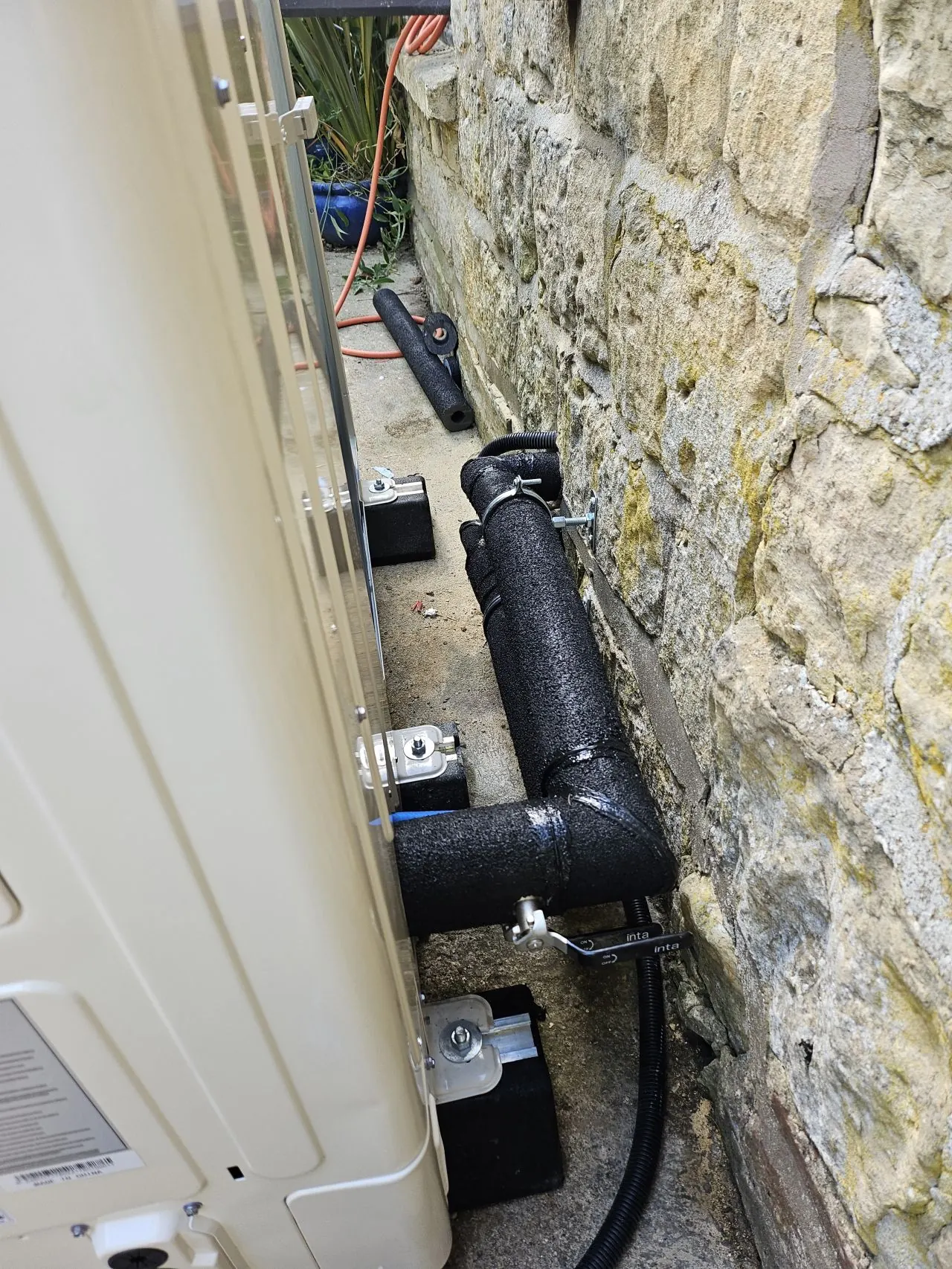
Highly efficient heating systems using stable ground temperatures, designed for suitable homes, larger properties and new build projects.
Site suitability, collector design, plant space and low-temperature heating reviewed together.

MCS Certified
Quality. Safety. Trust.

RECC Member
Consumer protection you can trust
Manufacturer Training
Expertise you can rely on
Open System Design
Flexible, efficient, future ready
Support & Maintenance
Here when you need us
Ground source is a higher-value route where the site, collector design and heating specification all need to make sense together.
The strongest results come from early design work: land availability, collector type, heat loss, emitters, hot water and plant space reviewed as one complete system.
Quiet operation with the main heat pump plant located indoors.
Uses the relatively consistent temperature of the ground.
Well suited to bigger homes, rural plots and new build projects.
Higher upfront work, but strong performance when designed correctly.
Collector options
The right collector is not a style choice. It depends on land, access, ground conditions, budget, heating demand and the wider project plan.
Best where there is enough outdoor space for trenches or collector loops.
Ideal where land is limited, subject to site access, design and ground conditions.
How it works
A ground source heat pump circulates fluid through buried collector pipework, gathers heat from the ground, then transfers it into an indoor heat pump, cylinder and heating system.
Collector pipework absorbs low-grade heat from the ground.
The heat pump raises the temperature for the water circuit.
Cylinder and controls are sized around demand.
Low-temperature emitters deliver steady comfort.
Settings keep comfort, flow temperature and efficiency aligned.
A ground source project is won or lost in the design: collector length, heat loss, flow temperatures, plant space and commissioning all have to line up.
Site suitability
Ground source systems are best assessed around land availability, machinery access, property heat loss, heating emitters, hot water demand and project budget.
Projects where the collector and plant can be planned early.
Ground source is site-led, so access and practical constraints matter.
The heating design and collector route are assessed together.
Ground source is a considered purchase, so the page needs to show the kind of projects where it can make sense.
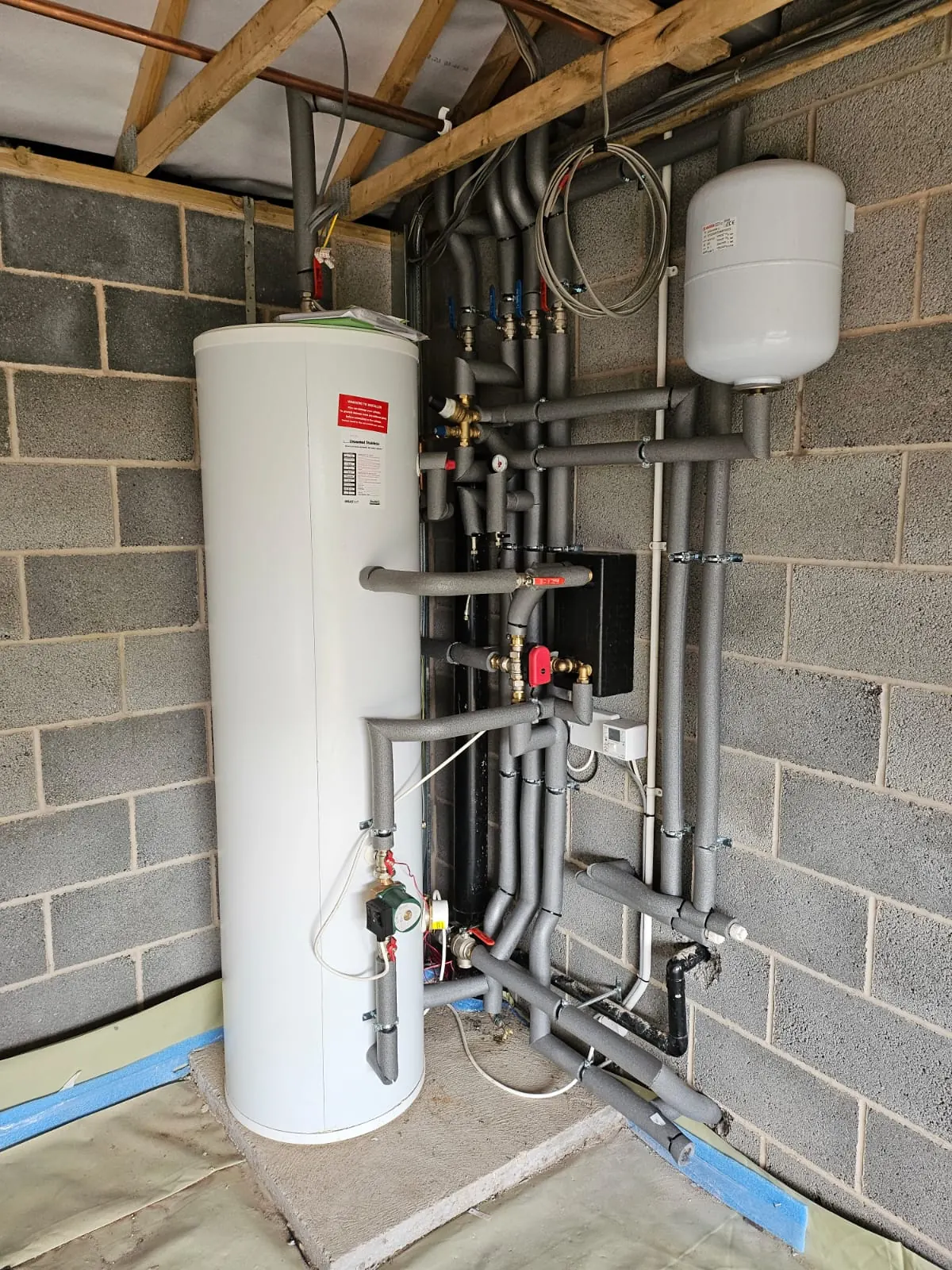 Ground source review
Ground source route reviewed around land access, heat loss, hot water demand and low-temperature heating.
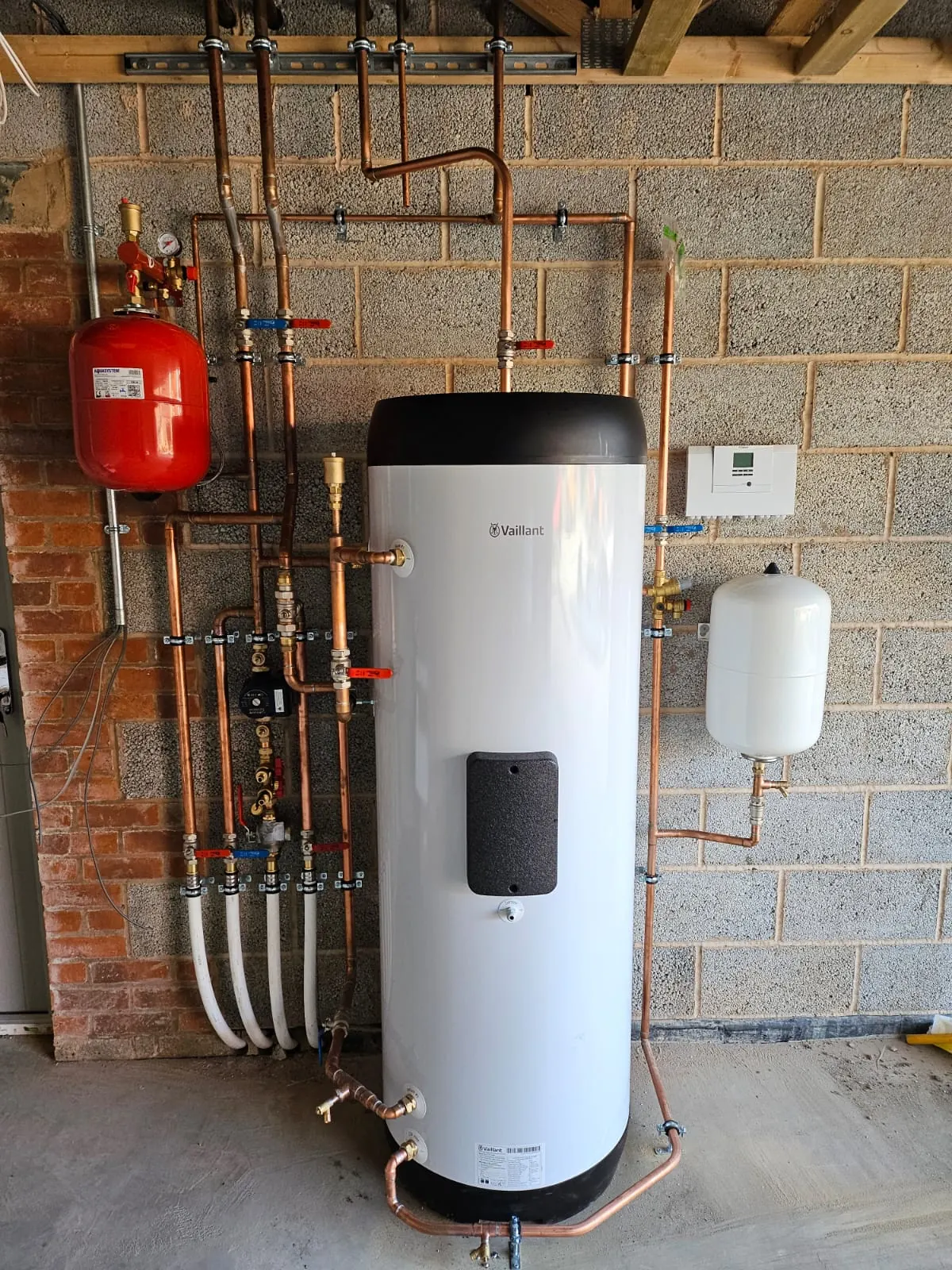 Ground source review
Efficient heating and hot water design suited to early-stage specification and underfloor heating.
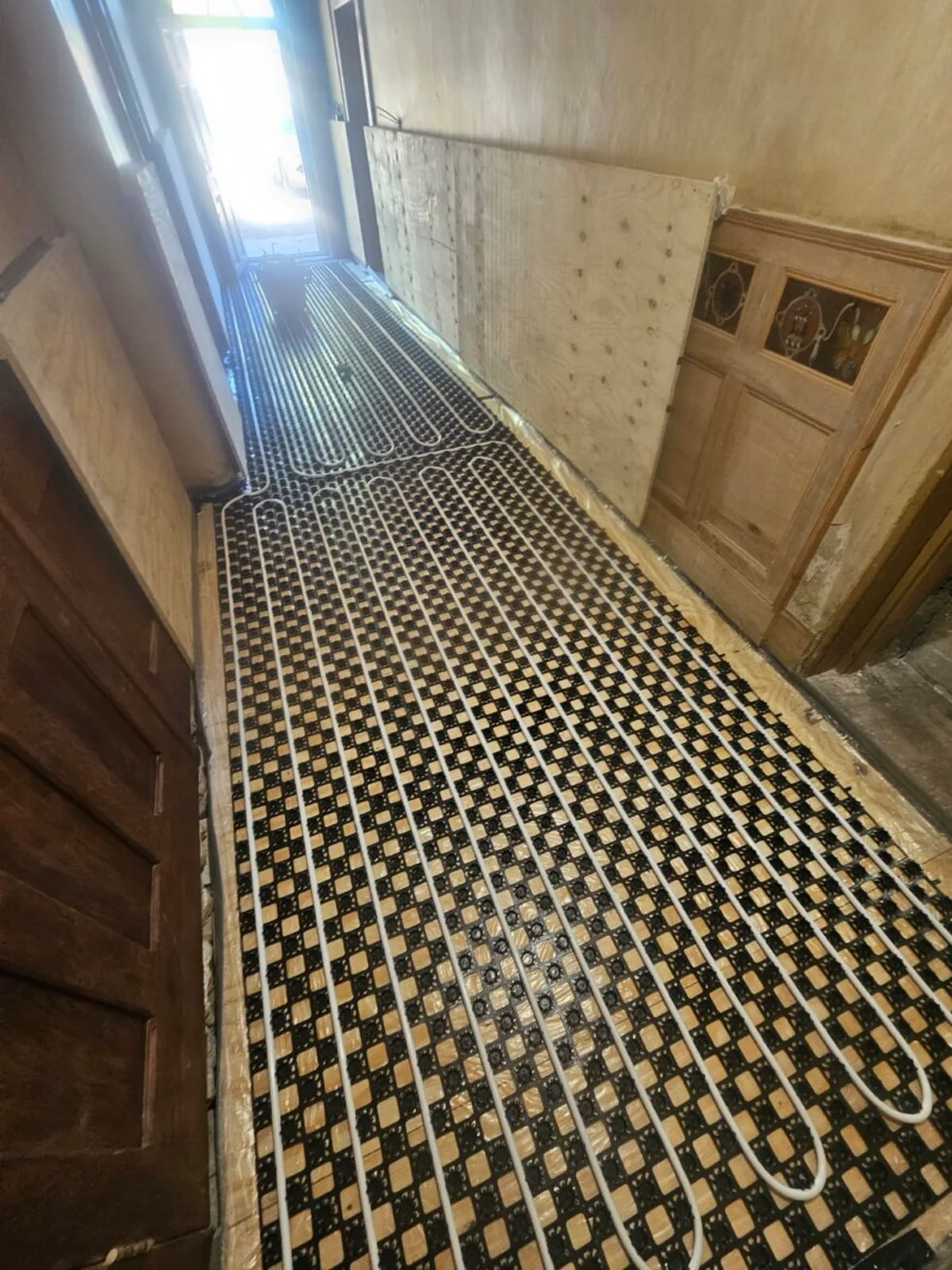 Ground source review
Collector feasibility, cylinder space, emitters and controls checked before committing to the system route.
Answers to the site, budget and collector questions that make ground source different from air source.
Send us the plot details, plans or project stage and we will advise the best review route.
Send site detailsNot always. Horizontal ground loops need enough outdoor space for trenches, while vertical boreholes can suit tighter sites subject to access, ground conditions and drilling feasibility.
Horizontal loops are laid in trenches across available land. Boreholes are drilled vertically and can reduce the land area required, but they need specialist access, ground assessment and drilling work.
It depends on the property and budget. Ground source can deliver very strong seasonal efficiency and avoids an outdoor fan unit, but it usually involves more upfront design, collector work and installation cost.
The disruption depends on the collector route. Horizontal loops involve trenching, while boreholes involve drilling. AquaTherma will assess access, land, plant location and project timing before recommending a route.
Yes. Underfloor heating is often an excellent partner for ground source systems because it can provide comfortable heat at low flow temperatures.
It can be, especially on larger plots or renovation projects, but the existing heat loss, radiators, cylinder space, ground access and budget all need careful review.
Yes. AquaTherma can review heat loss, emitter design, cylinder requirements, collector options, controls and the full heating specification.
Useful next pages for making a ground source project work as a complete low-temperature heating system.
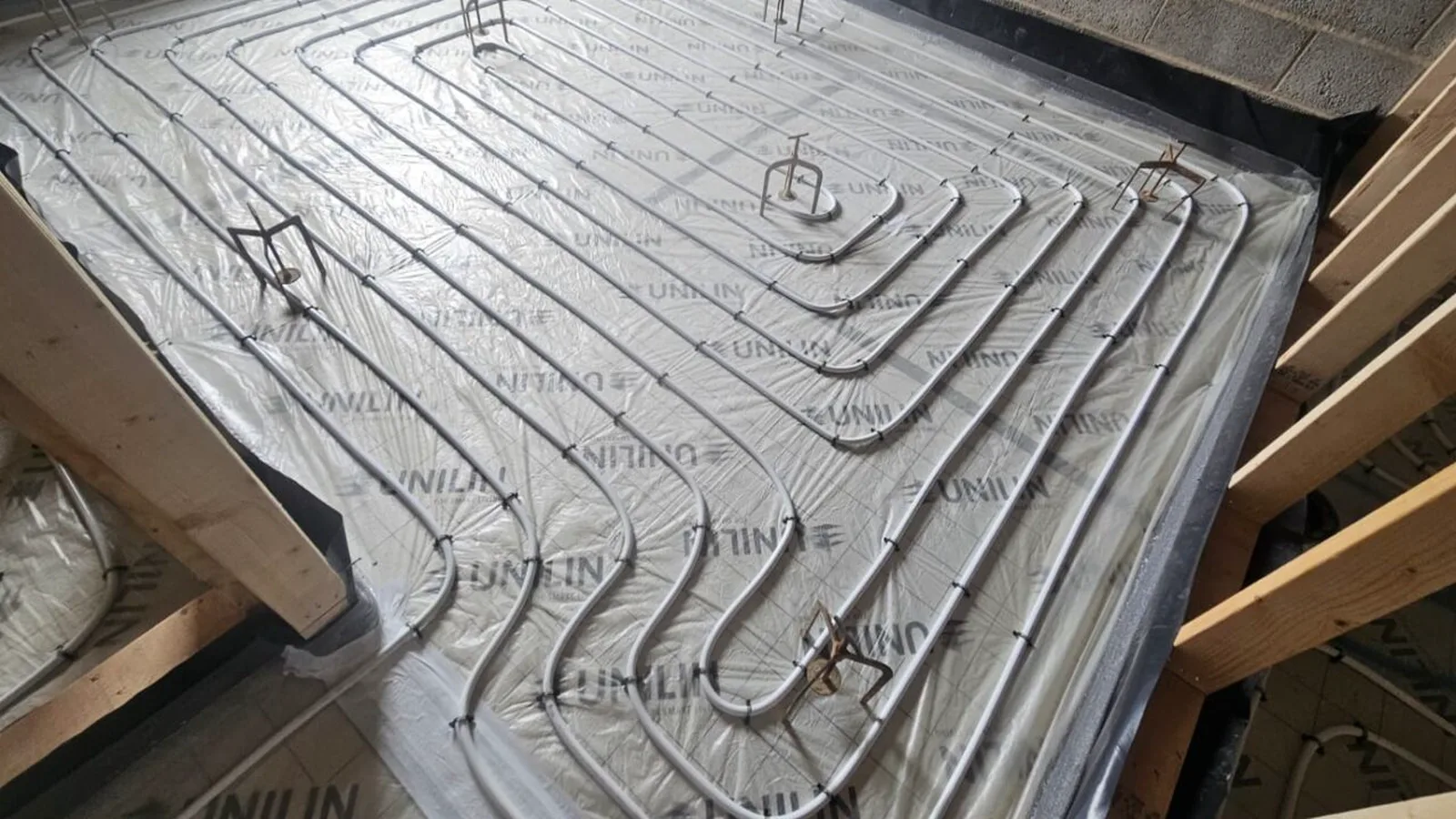
Comfortable, efficient UFH design and supply for private clients, housebuilders and heating engineers.
Explore service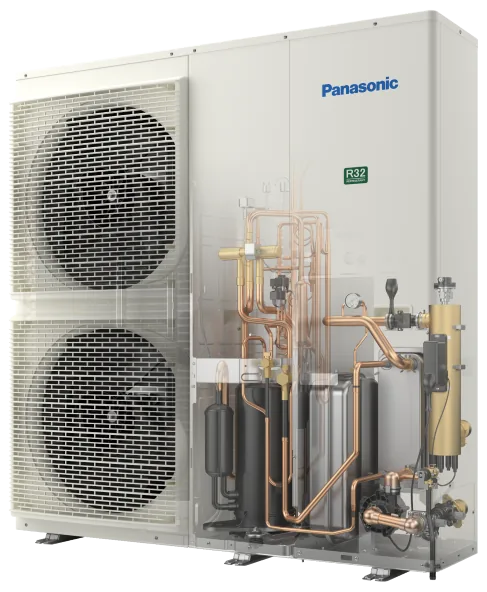
Clear, practical system design for heat pumps, UFH, MVHR, controls and open-system performance.
Explore service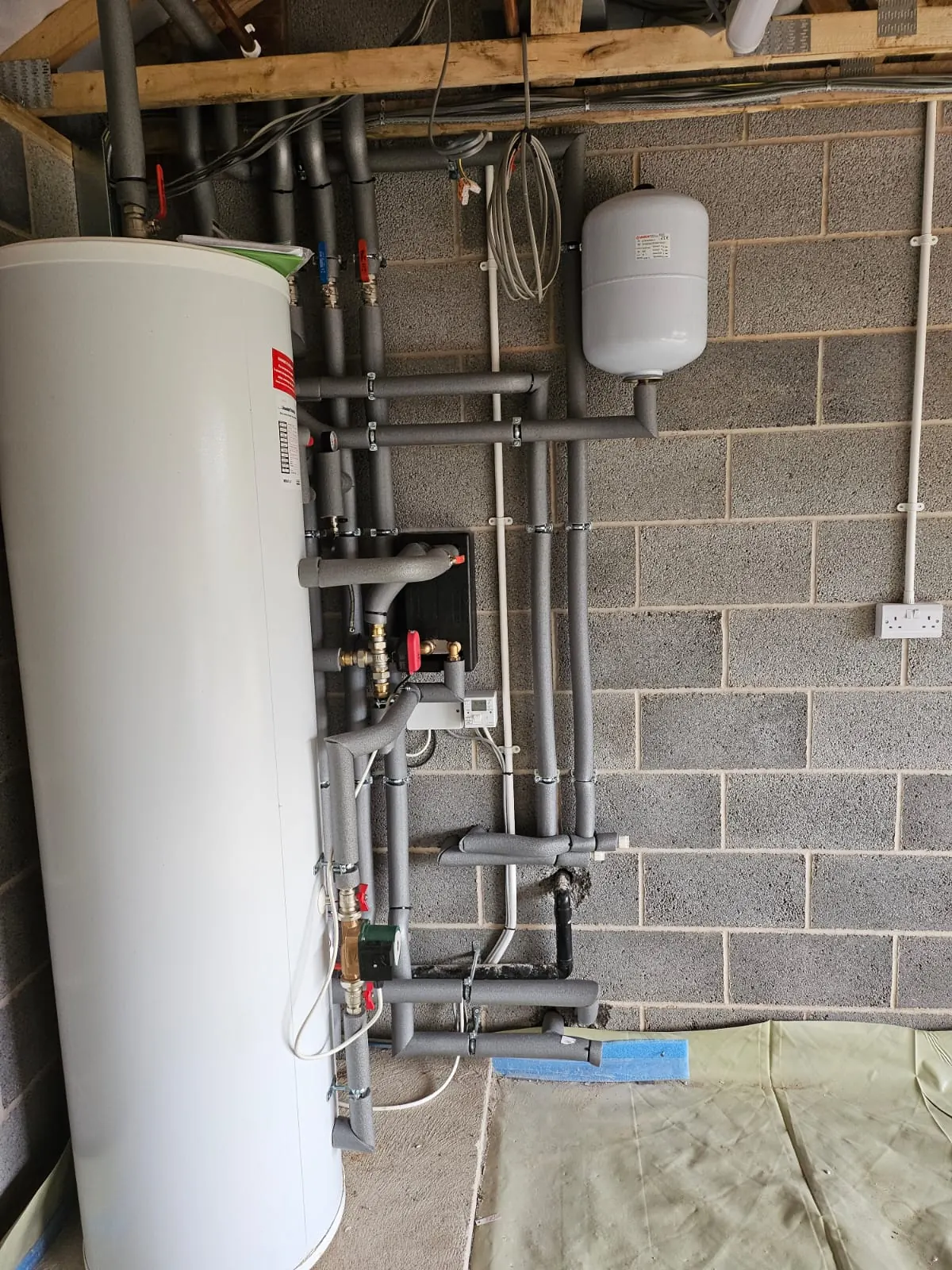
Practical servicing for air and ground source heat pumps, UFH systems, cylinders, filters, settings and system health.
Explore serviceShare the plot, plans, property size or project stage and AquaTherma will advise whether ground source is worth exploring.