
Key takeaways
- SCOP means Seasonal Coefficient of Performance.
- A SCOP figure is a seasonal efficiency measure, not a guaranteed bill saving.
- Emitter sizing, flow temperature, controls and user settings can change real performance.
SCOP is a seasonal efficiency measure
SCOP stands for Seasonal Coefficient of Performance. In simple terms, it compares how much heat a heat pump delivers over a season with how much electricity it uses. A SCOP of 4 means the system delivers around 4 units of heat for each 1 unit of electricity used under the measured conditions.
This article is for anyone comparing heat pump quotes and trying to understand the performance numbers. SCOP is useful because it looks beyond a single test point, but it still needs context. It is not the same as a fixed bill saving, and it does not replace a property-specific design.
Why SCOP is better than a single COP figure
COP is a snapshot. It tells you how a heat pump performs at a particular outdoor temperature and water temperature. SCOP is broader because it looks across a heating season, allowing for changing weather and operating conditions.
That makes SCOP more useful when comparing systems, but only if you understand the assumptions behind the figure. A manufacturer rating, a design estimate and measured site performance are not always the same thing.
| Term | What it means | How to use it |
|---|---|---|
| COP | Efficiency at a specific test point | Good for comparing controlled conditions |
| SCOP | Seasonal efficiency over a heating period | Better for broad system comparison |
| SPF | Measured seasonal performance on a real site | Useful after installation monitoring |
What affects heat pump efficiency in real homes?
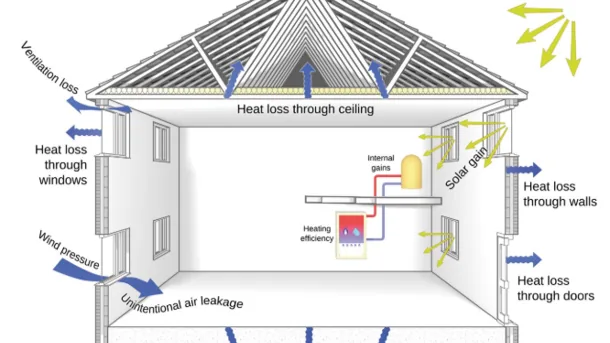
Real heat pump efficiency is affected by the home and the heating system around the unit. The same outdoor unit can perform differently in two properties because the heat loss, emitter size, hot water pattern, control settings and user behaviour are different.
The biggest design factor is usually flow temperature. If the system can keep the home comfortable with lower water temperatures, the heat pump has less work to do. That is why underfloor heating, larger radiators and low-temperature open-system design often matter more than the badge on the outdoor unit.
- Heat loss through walls, floors, windows and roofs.
- Radiator or UFH output at the chosen flow temperature.
- Hot water cylinder size and hot water usage.
- Weather compensation and control setup.
- Commissioning, balancing and filter maintenance.
Why high SCOP claims need context
A high SCOP figure can be a good sign, but it should not be read in isolation. Ask where the figure comes from, what flow temperature it assumes, and whether the property design supports that temperature.
For example, a system designed around low flow temperatures and steady operation may perform very differently from a system trying to force high water temperatures through undersized emitters. The design has to match the claim.
If a quote claims impressive efficiency, ask for the design flow temperature and emitter schedule that supports it.
How AquaTherma uses SCOP in design conversations
AquaTherma uses SCOP as part of the conversation, not as a slogan. The team looks at heat loss, flow rates, emitters, controls and hot water demand before setting expectations.
That approach helps avoid a common problem: choosing a unit based on a brochure figure, then asking it to work against a heating system that was never designed for low-temperature performance.
Frequently asked questions
What is a good SCOP for a heat pump?
A good SCOP depends on the heat pump type, design temperature and property. Rather than chasing one number, ask whether the system design supports low flow temperatures, good emitter output and steady operation.
Does SCOP tell me my running costs?
SCOP helps estimate electricity use, but it does not directly predict bills. Tariffs, hot water demand, weather, controls and household behaviour all affect running cost.
Can controls improve heat pump efficiency?
Good controls can help a heat pump run more steadily and match demand better. The gains depend on system design, tariff, weather, property heat loss and how the home is used.